
Seeker Bio
Preparing For Winter Hiking In Ontario: Essential Tips For Safe Cold-Weather Adventures

How To Explore Winter Hiking In Ontario With Safety In Mind
When the temperatures drop and snow begins to blanket the rugged landscapes of Ontario, many hikers retreat indoors. However, preparing for winter hiking in Ontario can open the door to a whole new world of breathtaking beauty and peaceful solitude. The crisp air, snow-covered forests, and glistening lakes create an experience that's uniquely Canadian. But venturing into the cold requires proper preparation, the right gear, and a deep respect for winter's challenges.
In this guide, we'll cover everything you need to know about gearing up, staying safe, and choosing the best winter hiking trails in Ontario. Whether you're trekking through Algonquin Park or snowshoeing the Bruce Trail, understanding the basics of winter safety and preparation will make your hike both safe and unforgettable.


Preparing For Winter Hiking In Ontario's Most Scenic Winter Hiking Trails
Understanding Ontario's Winter Conditions
To begin with, Ontario winters can be unpredictable. Temperatures can fluctuate wildly, ranging from mild days near freezing to bitterly cold spells dipping below -30°C. Because of this, preparing for winter hiking in Ontario means respecting nature's unpredictability. Hikers must be ready for strong winds, deep snow, and icy terrain.
Moreover, the daylight hours are much shorter in winter, which increases the importance of starting early and planning routes carefully. Trails that are simple in summer can become challenging or even dangerous when covered in ice or snow. Still, with the right mindset and preparation, hiking during the Ontario winter season can be one of the most peaceful and rewarding outdoor experiences imaginable.
Dressing For Success: Layering And InsulationBefore heading out, it's important to dress appropriately. Layers trap heat and wick moisture, keeping your body dry and warm. Typically, you'll want three main layers:
- A moisture-wicking base layer (synthetic or merino wool)
- An insulating mid-layer (fleece or down jacket)
- A waterproof and windproof outer shell
Additionally, don't forget to protect your extremities. A warm hat, insulated gloves or mittens, and thermal socks are essential for maintaining warmth. Your body loses most of its heat through the head and feet, so these areas require special attention. Gaiters can also help prevent snow from entering your boots when hiking through deep drifts.
Essential Gear For Winter HikingEqually important is having the proper winter hiking gear. Traction devices such as microspikes or crampons can make a world of difference on icy paths. Trekking poles with snow baskets provide balance and stability.
Furthermore, always pack safety gear such as:
- A map and compass (or GPS device)
- A first-aid kit
- A headlamp with extra batteries
- An emergency blanket
- High-energy snacks and water
It's worth noting that dehydration can still occur in cold weather. Because of this, hikers should continue to drink water frequently, even if they don't feel thirsty. Insulated bottles are recommended since water can freeze quickly in sub-zero temperatures.
Staying Safe In The ColdWhen preparing for winter hiking in Ontario, understanding winter safety is crucial. Frostbite and hypothermia are two of the most common risks hikers face in freezing temperatures. To reduce the chances of frostbite, make sure skin is covered and clothing remains dry. If your hands or feet begin to feel numb, take immediate action by warming them before continuing.
On the other hand, hypothermia occurs when the body's core temperature drops dangerously low. Signs include uncontrollable shivering, confusion, and slurred speech. If these symptoms appear, it's vital to seek shelter, replace wet clothing, and warm the body gradually. Many hikers in Ontario's cold climate also carry a small stove or heat pack to help generate warmth in emergencies.
Since hiking in the cold burns more calories, fueling your body becomes even more important. Energy-dense snacks like nuts, chocolate, and dried fruit should be packed for quick access. Hot beverages such as tea or soup not only hydrate but also boost morale on freezing days.
In addition, packing food that doesn't freeze easily is wise. Peanut butter, hard cheeses, and trail mix remain staples for winter hikers across Ontario. Food should be kept close to your body if possible, helping it stay warm enough to eat when needed.
Mental Preparation And Respect For Nature
Above all, successful winter hiking depends on a positive mindset and respect for nature. The quiet beauty of Ontario's frozen wilderness can bring peace and perspective—but it demands humility. Trails can be covered by deep snow, landmarks hidden, and weather conditions can shift rapidly.
Therefore, always let someone know your hiking plans and expected return time. It's also best to check park advisories for trail closures or warnings before heading out. Remember, preparation isn't just about equipment—it's about awareness, safety, and respect for the land.

Choosing The Right Winter Hiking Trails In Ontario
Of course, no winter adventure is complete without exploring the most scenic winter hiking trails across the province. Ontario's diversity means you can find everything—from serene forests to frozen wetlands—just a short drive from home.
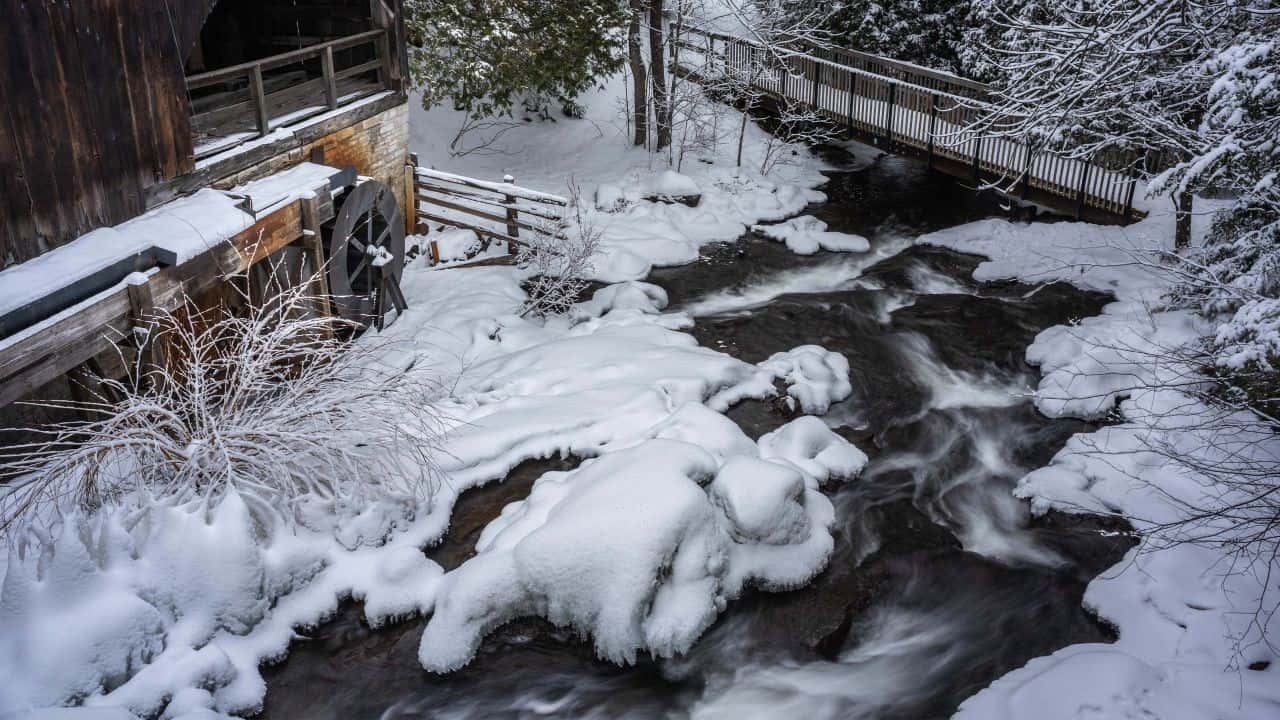
Algonquin Provincial Park, established in 1893, is the crown jewel of Ontario Provincial Parks. With over 8,000 square kilometres of lakes, rivers, and forests, it's a paradise for snowshoeing and winter trekking. Mew Lake Campground remains open year-round, providing easy access to trails like the Track and Tower Trail, where the Madawaska River sparkles beneath layers of snow and ice.
Silent Lake Provincial Park offers a quiet retreat for hikers and skiers alike. Its backcountry routes weave through rolling forests and frozen lakes, perfect for snowshoeing. Cabins and yurts provide cozy accommodation for overnight winter trips.
Meanwhile, Arrowhead Provincial Park in the Muskoka region is a family favourite. With its renowned ice-skating trail, cross-country ski routes, and tubing hills, it's ideal for those who love variety.
Moving slightly west, the Algonquin Highlands offer incredible winter scenery with less crowding. Trails such as the Frost Centre Trails provide a mix of short loops and long backcountry routes through pine forests and frozen lakes.
Farther south, Torrance Barrens Dark-Sky Preserve near Gravenhurst is both surreal and serene in winter. The exposed granite ridges and open vistas make it a magical place to hike under a snowy sky. On clear nights, stargazing here is second to none—especially when the Northern Lights occasionally appear above the horizon.
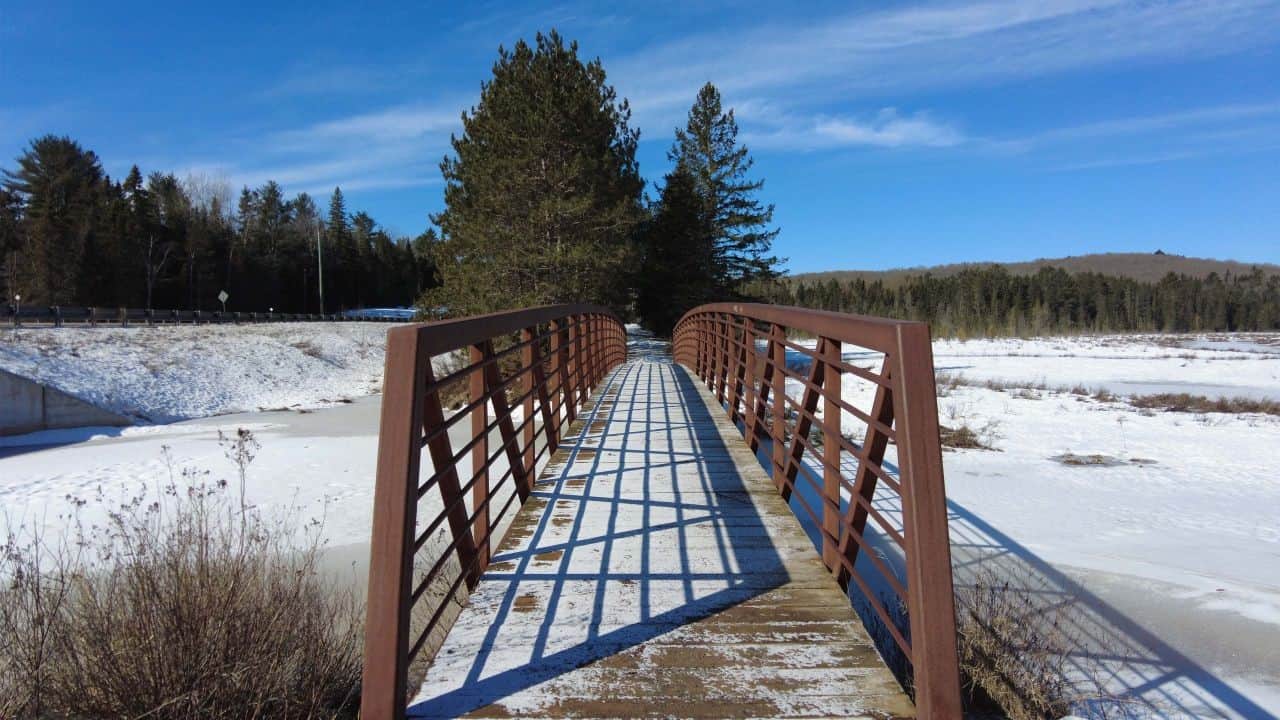
If you prefer a more accessible hike, Ken Reid Conservation Area near Lindsay features several loop trails that remain open all year. Its wetlands, forests, and scenic lookouts make it an easy and enjoyable destination for winter walkers and photographers.
Additionally, Ontario's abandoned rail trails offer another unique hiking experience. The Victoria Rail Trail, Ganaraska Trail, and parts of the Cataraqui Trail provide long, gentle routes perfect for snowshoeing or cross-country skiing. These rail corridors cut through forests and farmland, offering both history and tranquility in the winter landscape.

Spotting Wildlife While Hiking In Winter
Winter hiking in Ontario offers a rare and magical opportunity to spot wildlife thriving in the snow-covered wilderness. Moose are among the most striking sights, often seen browsing for twigs and bark along frozen wetlands or forest clearings. Pine martens, agile and curious, dart gracefully between snow-laden evergreens, leaving delicate tracks that tell silent stories of their winter hunts. As late winter transitions into spring, beavers become more active, venturing from their lodges to repair dams and gather fresh branches as the ice begins to melt. Whether on a quiet Algonquin trail or a secluded northern forest path, the stillness of Ontario's winter landscape makes each wildlife encounter feel deeply intimate and unforgettable.


Winter Hiking In Ontario Is An Adventure Worth Preparing For
All things considered, preparing for winter hiking in Ontario ensures you can enjoy the snow-covered wilderness safely and confidently. With the right gear, mindset, and respect for the season, every trail becomes a journey into nature's frozen masterpiece. From the timeless forests of Algonquin to the windswept ridges of Torrance Barrens and the peaceful rail trails of the Kawarthas, Ontario's winter landscape invites exploration at its finest.
Preparing for winter hiking in Ontario allows you to safely explore the province's most scenic snow-covered trails and frozen lakes.
Ontario's winter hiking trails offer peaceful beauty, fresh air, and endless adventure when approached with safety and preparation.
When you subscribe to the blog, we will send you an e-mail when there are new updates on the site so you wouldn't miss them.
About the author







Comments 5
This post has some great advice - I particularly like the point about mental preparation and bring a positive and humble and attitude. I also love the photos of the pine martin and the beavers - great captures!
Great photos and so agree with respect for the outdoors.
Sonya Richmond, there are many dangers in winter, and without the right mindset, you can get into trouble quickly. I love the wildlife too.
Greg Girard Thanks, Greg. I have been taught a few lessons by Mother Nature in the past, like always wearing a hat even when I hate them on my head,
Thomas Worsley Yes, I am noticing a few more selfies, and I can share your enthusiasm. Thank you, Tom, for sharing your adventures