The Porcupine Provincial Forest measures a total of 207,000+ hectares. Within that area are 3 designated protected reserves - the Bell & Steeprock Canyons Protected Reserve (11,300+ hectares), Birch River Ecological Reserve (180+ hectares) and the Armit Meadows Ecological Reserve (260+ hectares).
Some of the more popular activities enjoyed on the trails in the summer months include mountain biking, hiking, birdwatching and horseback riding. And in the winter months the backcountry trails in the Turtle Mountains are popular for cross country skiing, snowshoeing and snowmobiling.
The Forks National Historic Site of Canada is the main centre of activity and the prominent historical site located in the City of Winnipeg, Manitoba, Canada. The historic site is located at the confluence of the Assiniboine and Red Rivers.
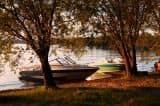
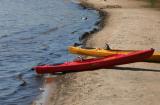
The main features of the park are the day use area, the two marina channels, a campground and the long kilometres of sandy beach. The Manipogo Provincial Park is fortunate to enjoy long stretches of sandy beach as it provides lots of room to move and, maybe, even find a private spot for reflection.
Assiniboine Park is the main urban park, gathering place and nature destination in the City of Winnipeg, Manitoba, Canada. The park is one of the largest urban parks in North America and to many who visit the City of Winnipeg it is the most memorable natural attraction and recreation destination the
Narcisse Snake Dens. World’s largest concentration population of overwintering red-sided garter snakes in the world gather together in writhing, tangled masses as they perform their spring mating ritual.
The community park is a green space park located on the western banks of the Red River. The linear park connects Downtown Winnipeg to the Historic Exchange District.
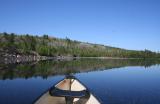
Popular activities enjoyed in the park include swimming, picnicking, birdwatching, wind surfing, boating, canoeing, water skiing, hiking, camping, xc skiing, snowmobiling and tobogganing.
The International Peace Gardens is massive border crossing park measuring over 930 hectares (2300 acres). Every year, the staff at the park plant over 150,000 flowers. Within the park there many attractions and surrounding the floral gardens is a forest of trees.
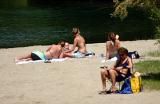
The white sandy beach is the highlight of the park. The beach is the central hub of activity in the park for swimming, sunbathing, reading, sightseeing and birdwatching. Other activities enjoyed throughout the park include camping, hiking, sightseeing, picnicking, windsurfing and fishing.
Some of the popular features to visit when in the park include the historic buildings in Hecla Village; the waterfront in Gull Harbour; the First Nation history on Black Island; the views from North Point cliffs; the Quarry Picnic Site and the many hiking trails leading to bird blinds, viewing tower
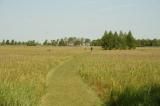
The park is a year round recreation destination highlighted by a 3 kilometre trail named the Vermillion River Walking Trail. The trail provides easy access to the wetland environment therefore providing some great wildlife and bird sightseeing opportunities.
Sturgeon Creek Park is a green space area and a recreation trail. Most of the walking and biking trails in the City of Winnipeg, Manitoba, Canada form part of a larger inter-connecting trail system. The Sturgeon Creek Park pathway is one of those trails within the larger trail system.
Some say Whitewater Lake is one of the top birding sites in the province with over 200 bird species sighted in the park. The region is identified as a priority migratory bird habitat of Canadian importance for geese, waterfowl and shorebirds.
All-year great family destination.The seven kilometres of trail available to be trekked at FortWhyte Alive provide visitors with exercise and the opportunity to view its diverse habitats. FortWhyte Alive is open 364 days a year.